
Give Me the Simple Life
The elevation of peasant food in today's cuisine
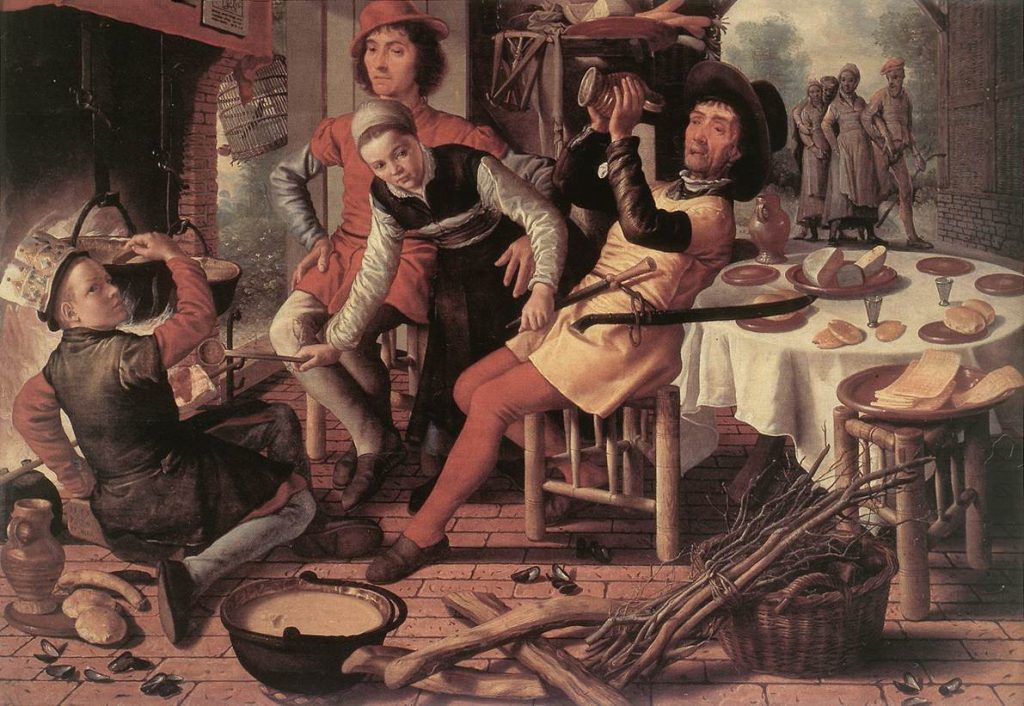 “Some find it pleasant dining on pheasant
Those things roll off my knife
Just serve me tomatoes and mashed potatoes
Give me the simple life.”
~ Harry Ruby
Harry Ruby, the songwriter behind the lyrics to “Give Me the Simple Life,” was a Bronx-born, working-class Jewish kid who worked his way into a long, prolific career in entertainment. By 1945, he was successful enough to be personally familiar with pheasant on the winter menu at the Stork Club and the 21 Club — the kind of glamorous places that shimmered with post-Depression optimism. Not exactly the setting for the “uh oh, the menfolk actually hit something” dinner of my family.
The grand occasion of my first taste of pheasant wasn’t the stuff of tuxedoed waiters lifting silver domes. I was 6, having dinner at my aunt’s house during hunting season. All us kids were warned to chew carefully so we didn’t chip a tooth on the hard, black pellets of shot still lodged in the meat.
This meal was also my first taste of polenta, which remains one of my favorite foods. And back in the 1970s, polenta was an inspired accompaniment to game, since the birds had been feeding in a family member’s horse-corn field. I can still remember how my aunt flipped the bowl of polenta onto the serving platter, then cut the dome into cake-like wedges with the same spool of black thread she used to close the stuffing in the birds. My aunt was a marvelous cook.
This story is to say that many of today’s modern luxury dishes began as peasant food, built on thrift, necessity and whatever the environment offered that could keep people from going hungry. As Jonathan Swift famously put it, “He was a bold man who first ate an oyster.”
Let’s take a closer look at three so-called luxury foods — polenta, pâté and caviar — and see if your perception of them changes.
Polenta

Let’s start with my beloved polenta. The root of its name dates back to grain porridge from ancient Roman times. The introduction of corn (maize) from the Americas happened in the 16th century, when it became a staple crop in parts of Italy for its high yield and nutritional value. Polenta was referred to as “the bread of the poor.” This marked a significant shift in the culinary landscape of northern Italy, because polenta was affordable and could feed large families.
The preparation became a communal activity symbolizing family and community bonding. Anyone who’s ever done all that stirring over a steaming pot is nodding in agreement. Over time, it evolved from a simple dish to a gourmet delicacy, gracing the tables of fine dining establishments.
Pâté
Back in my own “salad days,” I discovered the magic of truffled duck liver pâté from a little gourmet cheese shop a few blocks from my first condo. My single-girl treat dinner was cheese, crackers, pâté and wine with a side of apple and grapes.
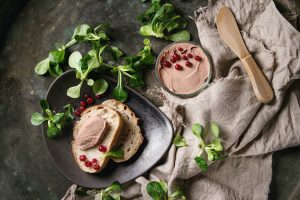
A few years later, hearing my chef-professor describe what I’d regarded as the ultimate gourmet indulgence as “glorified finely ground meatloaf” was a true eureka moment. It freed me from all the intimidation I’d built up in my own head around high-end foods I loved. And better yet, once we started producing our own recipes and costing out the ingredients and prep time, I realized just how much money I’d save by not relying on little gourmet shops for my pâté fix ever again.
Knowing how pâté is made also made me quite smug about my love of our local, historical delicacy: scrapple. I can argue with full authority that it is, in fact, pâté — made from the same scraps and offal, simply seasoned and mixed with cornmeal and buckwheat flour.
Caviar
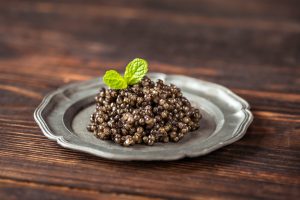
Finally, there’s caviar — the poster child of modern luxury. Today it arrives on mother-of-pearl spoons in ice-chilled tins that cost more than a week’s groceries. But its origins are anything but precious.
In Russia, sturgeon roe wasn’t a delicacy at all — it was breakfast for fishermen along the Volga River and the Caspian Sea, spread on buttered bread because it was abundant, salty and kept you going through hard labor. In 19th-century America, saloons put out bowls of it for free, the way pretzels fill bowls now. The saltiness kept customers drinking and the saloonkeepers happy. Somewhere along the line, the humble became the highbrow, and the world politely forgot where it all started.
The foods I love most aren’t defined by their price tags or reputations. It’s January, and I’m already hungry for the Jersey tomatoes that aren’t even seedlings yet, while consoling myself with the ratatouille and sauce I banked in my deep freezer last summer.
When I visit my daughter in Seattle, my checked bag is a cooler packed with frozen pork roll, our favorite neighborhood pizza, shaved beef and Amoroso’s rolls. That’s because I remember what it was like to go without the foods from home when I lived far away.
Peasant dish or luxury item, farmhouse bowl or fine-dining course — the line between them is thinner than the world pretends. As Dorothy Parker once quipped, “My tastes are simple: I am always satisfied with the best.” And the older I get, the more I recognize that “the best” usually begins with something deliciously ordinary.
 Liz Tarditi is a chef and wine specialist with more than 30 years of experience in food, wine and event planning. She holds degrees from Villanova University and from a Seattle culinary arts program founded by a Certified French Master Chef, where she trained in a classic brigade-style kitchen. Liz later ran her own catering company and has worked as a wine specialist in Pennsylvania. She brings her training and lifelong passion for seasonal, approachable cooking to Brandywine Table.