
After Dry January
2026 is time for low-caf and no-caf teas
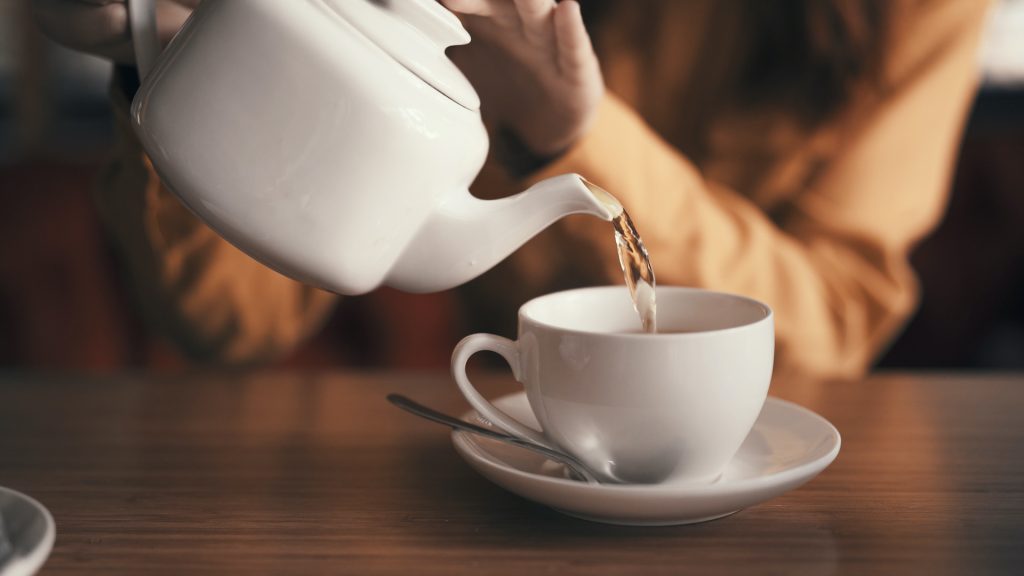
Sentiments similar to those behind the sober-curious movement have been heading in a new direction. After all, there are only so many times you can mention your “Dry-uary” and Sober October journeys. With an increased interest in healthy eating and drinking, more consumers are exploring options for their daily beverages beyond their typical turbo-caffeinated Starbucks orders. They’re swapping a java jolt for the cozy vibe of a tea pot.
In short: tea is having a moment. That’s tea, broadly defined, beyond classic Lipton, black, green and white teas (among the “true teas” from the Camellia sinensis plant) to include herbal infusions (think chamomile, hibiscus, ginger) and trendy options like rooibos, matcha and mate (see below).
Healthy Choice
There are many different origin stories for tea drinkers. Here’s one. Coming from a German, coffee-drinking family, Marlene Robinson reached the point when she needed a pot of coffee to jump start her morning. “I was addicted to caffeine,” she said. In her 40s, she became ill and had to give up her caffeine hit. “But I missed that familiar feeling of holding a warm cup in my hands. Then I discovered tea.” That journey led her to healthier habits and ultimately opening a retail outlet in Kennett Square, Mrs. Robinson’s Tea Shop, with over 200 varieties of tea.
Many others are also finding that tea is a satisfying warm drink, and one that offers additional benefits of immune support, gut health and stress relief. Tea drinking is part of the expanding “functional beverage” market — the health and wellness sector reaching beyond mere hydration and especially popular with Gen Z and the
caffeine-cautious crowd.
Whether you prefer black, green, white or herbal varieties, tea is packed with naturally occurring compounds that offer gentle, everyday health benefits. For example, many true teas are rich in antioxidants called polyphenols, believed to help combat stress and support heart health.
Plus tea sipped straight or with just a dollop of honey is a healthy alternative to coffee drinks with double pumps of caramel and whipped cream on top. Tea gives you flavor without the sugar or caffeine crash.
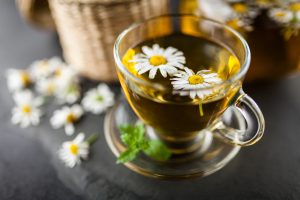
For the low-caf choice, black and green teas provide a balance of calm with a sustained lift from L-theanine, an amino acid that promotes focus without the jitters associated with coffee. Or for the no-caf options of herbal teas, enjoy chamomile’s and lavender’s calming properties, peppermint’s digestive support and ginger’s anti-inflammatory effects.
Even when you’re drinking tea socially at a tea room, like A Taste of Britain in Wayne, there are plenty of alt-caf options, said owner Debbie Pierce. “If you want to stay away from caffeine, choose a black tea. We have a decaf Earl Grey, decaf French vanilla, or classic decaf English breakfast. For low-caffeine options, green, white and oolong teas are fabulous. White teas are the least processed and have the lowest natural caffeine levels of any true tea and the highest level of natural antioxidants. But even a regular black tea like English breakfast or Earl Grey typically has about half the caffeine of a regular cup of coffee.”

For less buzz and more balance, also think tea for mindfulness. The simple act of brewing — or the tactile experience of whisking up some matcha — then sipping tea creates a pause in a busy day. Tea can become not just a healthy choice, but a nourishment for mind and body to help you slow down and savor as you sip.
And tea is not limited to breakfast or (coffee) breaks. It’s for moments throughout your day: morning calm, afternoon reset, socializing, evening unwind and self-care anytime.
“Herbal tea at bedtime is just magical,” said Pierce. “There’s nothing like a cup of lavender and chamomile to put the day behind you and signal to your brain that it’s time to rest.”
Better Flavor
There’s a tea flavor for every palate — it just may take some exploration and experimentation to find it. For example, some associate an off-putting bitter taste with black tea, even as they strive to drink more tea. “Black tea has lots of tannins, which many people dislike. It’s meant to be drunk with milk and sugar,” advised Robinson. That’s an easy experiment.
Brewing your tea wrong can also create a bitter taste that can deter the switch to tea (see below for brewing tips). Or using low-quality tea can affect the taste. Perhaps it’s time to replace that old box of Celestial Seasonings from pre-pandemic times with some quality loose tea.
With the wide range of options, it’s worth finding the right tea profile for your taste. “Do you like fruity tastes or vanilla? For vanilla lovers, try chai,” said Robinson. “Some prefer green tea to black tea while others prefer herbal beverages or specialty teas.” There are even flower teas such as rose, blue lotus and chrysanthemum flavors for those dreaming of summer.
The choices are many and surprising. Carrot cake and lemon soufflé are just two of the current popular flavors at Mrs. Robinson’s Tea Shop. Want more options? There’s a tea bag bar selling individual bags, where the tea-curious can sample widely. Or grab the prepackaged 10-bag medley, which includes rooibos and herbal selections along with some black and green teas to try. With tea shops, tea rooms and more teas on the menus at your local cafes, the search can be fun, too.
For 2026, consider a tea reset — no pricy machines or barista skills required. Explore some wellness blends for more balance and self-care this New Year.
Know Your Tea Order
Much like learning the difference between a flat white and a macchiato, you may need a crib sheet to decipher today’s tea menus.
Chai: A spiced Indian tea made with black tea, milk and a blend of aromatic spices like cardamom, cinnamon, ginger, cloves and black peppercorns, often sweetened with sugar or honey. Other common additions include star anise, nutmeg, fennel and coriander, with recipes varying by region.
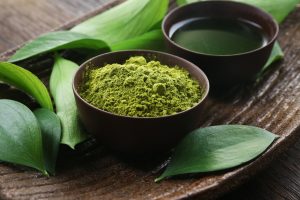
Matcha: The core ingredient is finely ground green tea leaves from the Camellia sinensis plant, specifically tencha leaves that are shade-grown, steamed, dried, deveined, destemmed and stone-ground into a vibrant powder, packed with chlorophyll, antioxidants, amino acids and minerals.
Mate: A caffeinated herbal infusion from South America (a favorite of the former pope from Argentina), made from the dried leaves of the Ilex paraguariensis plant, packed with antioxidants, vitamins and minerals. Stimulating, coffee-like energy boost without the jitters, known for its bitter, earthy flavor and traditionally shared socially from a gourd with a metal straw.
Rooibos (roy-bus): An herbal infusion made from the needle-like leaves of the Aspalathus linearis shrub, native to South Africa, processed by bruising and sun-drying to develop its red color and sweet, nutty flavor. Common additions include vanilla or orange peel in blends, but pure rooibos is just the fermented plant. Naturally caffeine-free and rich in antioxidants.
Tisane (tee-zahn): A flavorful infusion made by steeping or simmering plants like herbs, fruits, flowers, roots or spices in hot water.
How to Brew Better Tea at Home
Courtesy of Mrs. Robinson’s Tea Shop
Water is the mother of tea, so take care with the water:
- Spring water is best. Next choice, filtered water.
- Oxygen in water is important, so overboiling and reheating will impact the flavor.
The three key variables for making tea: water temp, steep time, tea-leaves-to-water ratio
For water temperature (212º is boiling):
- Black teas are best a tad cooler, at 205°.
- White and green teas are best at 160–190°.
- Hotter water causes faster steeping and makes more aromatic tea.
Western-style brewing uses more water, less leaf:
- Leaf-to-water ratio of 5 grams to 12–16 oz. mug or teapot
- 2–4 minutes steep time
- One infusion
- Consistent flavor, best for simpler teas and daily drinking
Tea troubleshooting:
- Too bitter: use cooler water, shorter brew time or less leaf-to-cup ratio.
- Too weak: use hotter water, longer brew time or more leaf-to-cup ratio.
- Oily residue or “tea scum”: the water is too hard — use filtered.