
Turn Up the Heat
From ancient ritual to modern luxury, saunas are hotter than ever

Saunas are having a moment. From Vogue to the New York Times to CNN, major media outlets proclaim that saunas are the hottest — literally — wellness trend right now, embraced by elite athletes, business moguls and A-list celebs like Kim Kardashian and Gwyneth Paltrow. They’re also becoming a status symbol among affluent homeowners, a signifier of luxury, longevity and intentional living.
Beyond the buzz and bragging rights, the sauna’s appeal is rooted in something far more enduring: thousands of years of history, science-backed health benefits, and a modern desire to slow down in an always-on world. Read on to see why saunas have stood the test of time, and why they’re hotter than ever.
A History of Heat

As it turns out, our fascination with getting sweaty dates back around 10,000 years. To survive harsh winters, ancient Finns dug pits in the ground with a pile of stones at the bottom. They heated the stones over woodfire for 6 to 8 hours, then threw water over the stones to create steam. Beyond just keeping warm, these early saunas were vital spaces for bathing, cooking and laundry, and played a central role in folk healing. Considered deeply spiritual, saunas were used for giving birth, caring for the sick, even preparing the dead for burial.
Across cultures, heat bathing took different forms but shared the same restorative spirit. In the U.K. and Ireland, archeologists have unearthed Bronze Age sweathouses, likely used for medicinal treatments. Ancient Romans built elaborate bathhouses featuring hot rooms, steam and social gathering spaces. Native American sweat lodges were sites of sacred ceremonies, while in Japan, natural hot springs evolved into the enduring onsen tradition — steamy public baths popular with locals and tourists alike.
The first saunas in the United States appeared closer to home than you might expect. Swedish settlers introduced the practice to the Delaware Valley in the 17th century, where the governor of New Sweden built a bathhouse on Delaware County’s Tinicum Island.
With the advent of modern plumbing and central heating, saunas shifted from necessity to luxury. Yet in Finland, they remain a way of life, with an estimated 3.3 million saunas serving a population of 5.5 million. Here in the U.S., saunas have been embraced by athletes, wellness devotees and anyone looking to unwind. And the trend is only heating up, with the American sauna market — valued at $250 million in 2024 — expected to grow by $151 million between 2025 and 2029.
The Science of Sweat
Beyond its long history, the sauna has endured into the modern day for one simple reason: it makes us feel good. When you step into a sauna’s warm embrace, your heart rate gradually rises, mimicking the effects of moderate exercise. As blood vessels expand, circulation improves, delivering oxygen and nutrients more efficiently throughout the body. This gentle cardiovascular workout can help lower blood pressure over time and support heart health — one reason regular sauna use has been linked to reduced risk of heart disease and stroke.
The heat also encourages the release of endorphins, those feel-good chemicals that counter anxiety and fatigue. The result? You feel deeply relaxed — and studies show that those good vibes can last long after you step out of the sauna. Regular sauna sessions have been associated with reduced stress, better mood and improved sleep quality. There’s even evidence to suggest potential benefits for cognitive health, including a lower risk of dementia and Alzheimer’s disease.
Athletes have long embraced saunas for recovery, and it’s easy to understand why. Increased circulation helps soothe sore joints and achy muscles, reduce stiffness and can even ease chronic pain. “Rest and recovery are essential parts of wellness,” said Veronica Lopez, RN, Vice President of Health Strategies at the YMCA of Greater Brandywine. “For many people, sauna use provides benefits such as stress reduction, circulatory support and muscle recovery, when used safely. Staying hydrated and being mindful of individual health needs is key, and those with medical concerns should consult a healthcare provider.”
Sauna = Luxury
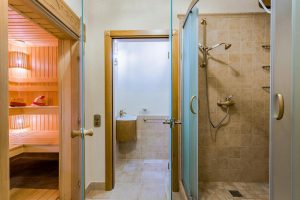
For true wellness aficionados, a home sauna is the ultimate lifestyle amenity. “Here in the Delaware Valley, where the climate is much milder than where saunas originated, saunas are seen as a luxury item — and what a fantastic luxury they are, especially this time of year!” said realtor Stephen Gross of the Holly Gross Group.
Aside from being a major source of relaxation and luxury, having a sauna is a coveted status symbol — and in competitive real estate markets, it can help a property stand out. “We find saunas in a number of our high-end homes. They enhance the desirability and perceived value of the property by signaling luxury, even if a buyer doesn’t plan to use the sauna themselves,” Gross said. “It’s like a higher-end version of Whirlpool tubs, which make bathrooms feel luxurious — even if not used regularly.”
Wellness at Home

Ready to build the sauna of your dreams? First, consider what type of sauna is right for you. Sauna purists may be attracted to traditional, wood-burning models, but installation is costly, requiring lots of planning, professional expertise and upkeep. Electric models are the most common choice for homes, offering consistent performance and modern conveniences like smart controls, automatic shutoff timers and precise temperature management. Growing in popularity, infrared saunas heat the body directly through radiation rather than warming the air, operating at lower temperatures and using less energy, which makes them appealing for smaller spaces and shorter sessions.
Location is another key decision. An indoor sauna can be tucked into your basement, bathroom or home gym, offering year-round convenience. It benefits from existing climate control and easier access to plumbing and electrical systems — keeping costs down and requiring fewer, or no, permits to build. Outdoor saunas, meanwhile, can transform your backyard into a private retreat. While they typically require higher upfront investment for things like site prep, weather-resistant materials and dedicated hookups, they don’t take up valuable indoor space and do keep the heat and humidity out of your home.

Depending which route you take, your cost will vary. Business Insider reports the average home sauna installation ranges from $2,000 to $7,500, with high-end custom models exceeding $10,000. Electrical upgrades, ventilation, permits and ongoing upkeep should also factor into your budget. But done thoughtfully, a home sauna isn’t just an indulgence — it’s an investment in comfort, wellness and long-term value.
From ancient ritual to modern luxury, the sauna has always been about more than heat alone. It’s a place to unwind, recharge and feel your best. Whether you drop by your local gym or build your own personal wellness sanctuary, make time this winter to get sweaty!
Two Ways to Warm Up
While saunas and steam rooms both use heat to help you unwind, the experience — and benefits — feel noticeably different. Traditional saunas deliver dry heat, typically between 150 and 195 degrees, using heated stones, electric heaters or infrared light. That intense, low-humidity environment supports cardiovascular health and helps muscles relax and recover.
Steam rooms, on the other hand, operate at lower temperatures, usually around 110 to 120 degrees, but with nearly 100 percent humidity. The warm, moist air helps open airways, loosen mucus and ease breathing, making steam especially beneficial for respiratory health. People with congestion, allergies or asthma often find steam soothing, while the humidity can also leave skin feeling refreshed and hydrated.
Our Favorite Resources
- Archer & Buchanan
- Arrowwood Landscape Design
- Ball & Ball
- Berk Hathaway Country Properties
- Berk Hathaway Holly Gross
- Berk Hathaway M. Schwartz
- Closet Factory
- Dayton Lock
- Dewson Construction
- DiSabatino Landscaping
- E.C.Trethewey
- Holland Floor Covering
- John Milner Architects
- Keystone Gun-Krete
- King Construction
- Level Edge Construction
- Main Street Cabinet
- Martins Flooring
- McComsey Builders
- Monument/Sotheby’s Int’l
- Mostardi Nursery
- Mountaintop Construction
- Period Architecture
- Precise Buildings
- R-P Nurseries
- Ranieri & Kerns
- Red Tail Restoration
- Rittenhouse Builders
- Schnatz & Rohrer Landscaping
- Sheller Energy
- Stable Hollow Construction
- Stove Shop
- Thornbury Services
- White Horse Construction
- Windle Design & Construction