
Protein
Separating the hype from the facts

There’s a lot of noise about protein these days. Protein is shouting out from grocery store shelves, added to products such as pancake mix, oatmeal, granola bars, pretzels, cereal, pasta and more! Even popular coffee brands have unveiled protein cold foams and lattes this past autumn.
These products are catching customers’ attention for their perceived health benefits, as 57% of consumers check nutrition labels specifically for protein content. So, what is the deal? Are there really health benefits in adding additional protein to every meal, or is it just hype?
Why Eat Protein?
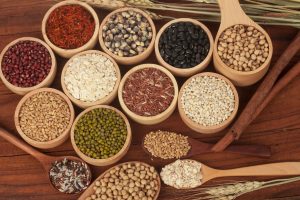
Protein is indeed an essential, versatile and satisfying nutrient. People are noticing that they feel fuller longer, which can increase satiety and reduce overall calorie intake. Adequate protein intake can also help preserve our metabolic rate during weight loss.
With more people using anti-obesity medications, such as GLP-1 medications, there’s a growing concern about maintaining muscle mass. Protein helps prevent muscle loss during weight reduction efforts. Even without those medications, one of protein’s main roles is to support lean muscle mass growth and repair.
Protein also helps to stabilize blood sugar. This is especially relevant for people with diabetes, prediabetes or insulin resistance. According to the 2021 Center for Disease Control (CDC) data, of America’s adult population, 38% have prediabetes and 11.6 % have diabetes. That’s 136 million people!
Of those individuals, approximately 90% have insulin resistance. Those with this condition are encouraged to choose a carbohydrate and protein every time they eat. When looking at a nutrition label, individuals should look for at least 7 grams of protein to get that blood sugar leveling effect. This includes breakfast and snacks, which are often more carbohydrate-rich treats and sweets — think cereal, pastries, bagels, pancakes and the like.
Prioritizing protein can also help combat sarcopenia (age-related muscle loss) and support bone health. In adults 65 and older — about 17% of Americans — theses risks increase, which can significantly impact an individual’s quality of life and increase the risk of falls and injuries.
How Much Protein Do We Really Need?
A simple way to estimate your daily protein goal is to start with your body weight in pounds. Aim for roughly half that number in grams of protein each day.
For example, if you weigh 150 pounds, aim for 75 grams of protein per day (unless, of course, your doctor prescribed a different number).
Can you get too much protein? Absolutely! Excess protein can put a strain on the kidneys, especially for those with preexisting kidney conditions. Even in healthy individuals, overdoing protein can lead to imbalances.
Focusing too heavily on protein could be at the expense of other essential nutrients, such as fiber, vitamins and healthy fats. Any extreme can throw off the possibility of a well-balanced diet. Quality matters, too. For example, red and processed meats are linked to increased risk of cardiovascular disease. To minimize saturated fat, prioritize lean and plant-based proteins.
What are Healthy Protein Sources?

When choosing red meat (beef, pork), the leaner cuts are rounds and loins, such as ground round, sirloin and tenderloin. For poultry (chicken, turkey, duck), the white meat without skin is a leaner choice. Fish and seafood are healthy choices and are a protein option that often has the benefit of including fish oils or omega-3 fatty acids, which also helps lower our lipids (such as cholesterol) and decrease our risk of heart disease.
Eggs are yet another excellent source of protein. And now that the old belief that eggs raise cholesterol levels has been debunked, feel free to add them to your diet. Research now shows that saturated fat, not dietary cholesterol, is the primary factor in raising LDL cholesterol levels.
In addition, low-fat and skim dairy products, such as milk, yogurt (particularly Greek yogurt), cheese and cottage cheese can also be great sources of protein.
What About Plant-Based Protein?

There’s growing interest in plant-based protein sources due to environmental, sustainability and health concerns. Some options include:
Legumes: including lentils, chickpeas, black beans, kidney beans, soybeans
Whole Grains: like quinoa (complete), brown rice, oats, barley, bulgur
Nuts and Seeds: all kinds of nuts and nut butters, chia seeds, flaxseeds, pumpkin seeds, sunflower seeds
Soy Proteins: such as tofu, tempeh, edamame, soy milk
Vegetables: options like spinach, broccoli, peas, Brussels sprouts (lower in protein but contribute)
Plant-Based Protein Powders: choose pea protein, rice protein, hemp protein
Protein is worth prioritizing as part of a well-balanced diet. If you’re falling short, try adding protein into your snacks or experimenting with plant-based protein options that you might not have tried before. A hearty bean soup is a great place to start and can be a perfect meal!
For inspiration, check out recipe resources such as: EatingWell.com, MeatlessMondays.com, ForksOverKnives.com and RealFoodDietitians.com.
 Kim Beazley, RD, LDN, CDCES, is a registered dietitian and Certified Diabetes Care and Education Specialist at Penn Medicine Chester County Hospital. She’s a member of the Nutrition and Diabetes Services outpatient team, providing both individual and group education, and a lifestyle coach in the Diabetes Prevention Program. Learn more about improving your nutrition and Penn Medicine’s Chester County Hospital’s Outpatient Nutrition team at ChesterCountyHospital.org.