
Kids Health Update 2026
What local experts say
Autism, ADHD and Learning Disabilities
What’s going on?
Kate E. Wallis, MD, MPH, FAAP
Children’s Hospital of Philadelphia

“Why do so many children have autism these days?” a family friend asked me at a barbecue. “What’s going on?”
As a developmental and behavioral pediatrician who cares for many children with conditions such as autism spectrum disorder and attention-deficit/hyperactivity disorder (ADHD), I’m frequently asked these types of questions. It often feels like autism and ADHD are everywhere — in news headlines, parent discussion groups and social media posts. So, what is going on?
What is Neurodiversity?
Neurodiversity is an inclusive term that recognizes we all vary in how our brains work. Neurodivergence recognizes that autism, ADHD and learning differences are forms of neurodiversity that represent variations of brain development.
Many families and self-advocates prefer the term neurodiversity, rather than terms such as developmental disabilities. But these words refer to the same things.
How Many Children Are Affected?
According to the U.S. Centers for Disease Control and Prevention (CDC), about 1 in 6 children ages 3 to 17 across the U.S. have a developmental disability. This includes about 3.2% of children who have autism and 11.4% who have ADHD.
On a population level, this means we all have friends, family, classmates and coworkers who are neurodivergent.
What Is Autism?
Autism is a neurodevelopmental condition that consists of differences in how individuals communicate and interact socially and have preferences for repetition, routine and sameness. It affects individuals uniquely, with varying levels of support required throughout their lives.
Unfortunately, there’s no single known cause of autism — research shows that genetic and environmental influences play a role — and no single treatment or therapy that can meet the myriad needs of autistic people. Note: Some individuals in the autism community prefer the term “autistic” and others prefer “person with autism;” to respect both preferences, I use both descriptors.
What Is ADHD?
ADHD is a neurodevelopmental disability that impacts an individual’s attention and ability to regulate their activity level. Some individuals have more problems with attention or distractibility (inattentive-type ADHD), some have more signs of hyperactivity or impulsivity (inattentive or impulsive type) and others have both inattention and hyperactivity (combined type).
These symptoms must be present in multiple settings (such as home, school and work) and must cause some level of difficulty or impairment. Individuals with ADHD can be treated with forms of behavioral therapy and medications.
What Are Learning Disabilities?
Learning disabilities refer to differences in how people learn or process information. These differences may impact how they read, write or do math. Some people have differences in more than one area.
Learning disabilities don’t reflect intelligence. People can be highly intelligent but also need help with specific things like learning to read or do math calculations.
How Are ADHD or Learning Disabilities Diagnosed?
Children (or adults who weren’t diagnosed earlier) may first be recognized by their doctor, a teacher or another person who identifies difficulties with their learning or behavior. They can then complete testing, usually done by a psychologist, to evaluate their ability to complete certain tasks (a neuropsychology or psychoeducational evaluation).
What Are Signs of Autism?
Early signs of autism include differences in development, including differences in how a child plays, interacts with other people and learns to speak or communicate. These children may prefer to play on their own, rather than with other people. They may do some things in a repetitive manner, such as play the same way each time or move their bodies in repetitive ways. They may have differences in how they respond to their senses and may be sensitive to certain sensory experiences (such as by covering their ears at loud noises) or less sensitive (by spinning or crashing their bodies to get sensory input).
Older children and adults may struggle more with conversation, making friends or understanding social cues. Each individual on the autism spectrum is unique, and their combination of characteristics will be distinct.
Why Is the Number of Autistic Children Increasing?
The number has increased over the last two decades. The strongest studies show most of this rise is due to increased recognition of the condition, substituting autism for other possible diagnoses and expanding the range of presentations that qualify for the diagnosis. There’s no evidence that an environmental toxin or factor has caused the increase, and autism is certainly not caused by how parents care for their children.
What About Vaccines?
The myth that vaccines cause autism originated in a very poorly conducted, unethical study on 12 children that has since been retracted. Since that study’s publication in 1998, people have suggested increases in autism prevalence have occurred as more vaccines have been developed and adopted. But just because two things occur at the same time does not mean that one causes the other. A classic example is that both ice cream purchases and drownings increase in the summer, but no one believes ice cream causes drowning!
There have been numerous, well done studies that have not found a link between vaccines and autism. Vaccines save lives, and the evidence in favor of vaccine safety with respect to autism is overwhelming. I encourage all my patients’ families to vaccinate their children to protect them from preventable infections. And I have proudly vaccinated my own children following recommended vaccine schedules.
What Resources Are Available?
The CDC has resources to help families track their child’s development to help recognize early signs of developmental differences. These resources include pamphlets that describe age-specific developmental milestones, as well as an app to help parents track their child’s learning and development. The American Academy of Pediatrics and HealthyChildren.org also have evidence-based resources about child development, autism, ADHD and learning disabilities.
If a caregiver is concerned about how a child’s development or learning, they can start by speaking with their child’s doctor and reaching out to their local Early Intervention team to discuss whether an evaluation for developmental services is appropriate.
There’s good information online about child development, but there’s also false information. The Children’s Hospital of Philadelphia Pediatric Health Chat website has resources to help families understand whether what they’re reading online is accurate and safe.
Children with neurodivergence such as autism, ADHD or learning disabilities are our friends, family and neighbors. We can work together to make sure they’re identified early and receive appropriate supports to help them learn and thrive.
 Dr. Wallis is a developmental-behavioral pediatrician (DBP) at the Children’s Hospital of Philadelphia and an Assistant Professor of Pediatrics at the University of Pennsylvania’s Perelman School of Medicine. Dr. Wallis helps care for children with neurodiversity and also conducts research to improve the early identification of and care for children with developmental disorders and autism. CHOP.org; PennMedicine.org
Nearsightedness in Children
How parents can be advocates for their children
Tejal Magan, MD
Nemours Children’s Health
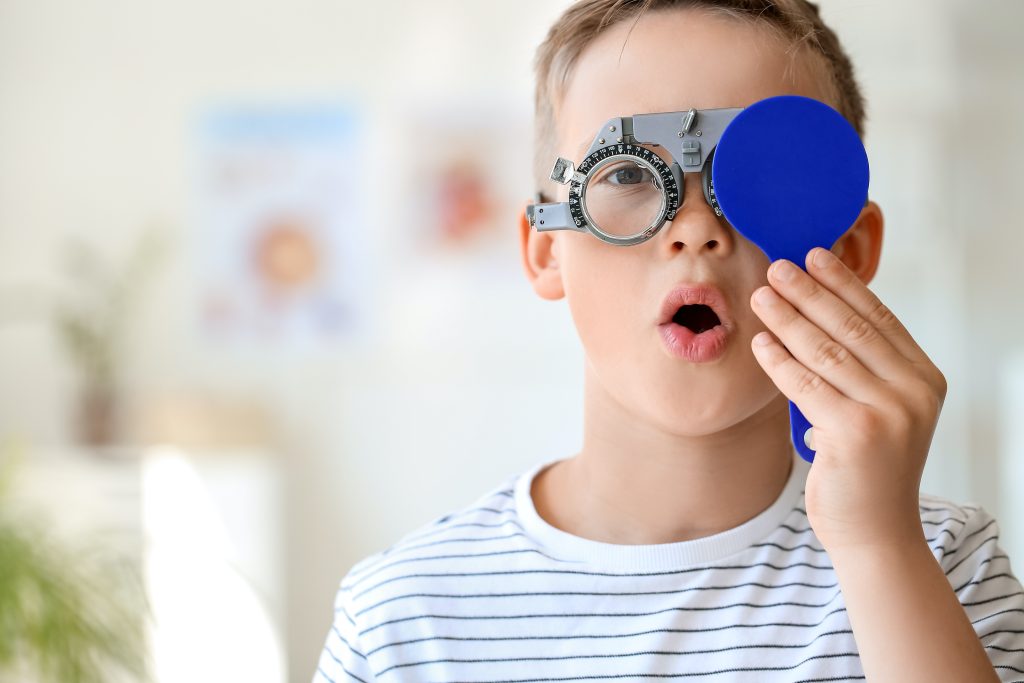
As a physician in this digital era and soon to be first-time mother myself, I’ve found a constant flood of information for parents on their child’s vision health across the internet and social media. And as parents, it’s important to be able to distinguish between evidence-based medicine and myths. If you’ve been following the topic, you know that nearsightedness (also known as myopia) is widely discussed in pediatrics, as we’re seeing an increase in diagnoses across the board.
What Is Nearsightedness and Why Is It Important?
Nearsightedness or myopia means that a person can’t see clearly far away, but things up close are relatively clear. If there’s high myopia, then both distance and close-up vision can be blurry. Most of the time myopia is not dangerous — it simply requires prescription eyeglasses. But if the myopia number is high (above -6.00 diopters), then there’s a risk of complications to vision.
With myopia, the eye is longer in length than a normal eye, measured as the axial length of the eyeball (front to back, from cornea to retina). This means the retina “camera film” of the eye is more stretched and thinner. This condition could result in vision complications later in life, such as a retinal tear or detachment (break and fluid in the retina), macular degeneration (central vision issues), cataract (cloudy lens) or glaucoma (damage to the optic nerve/cable connecting the eye to the brain).
The World Health Organization has classified myopia and its complications as a public health concern, as these conditions can lead to severe vision problems. If severe enough, this could impact children and adolescents in terms of their education or future employment.
Why Is Myopia Increasing in the World?
It’s estimated that by 2050, half of the global population will be nearsighted, with the average age of diagnosis at 8 years old. Risk factors for myopia can include genetics, preterm birth and lifestyle factors including screen use. Children who have parents with myopia have a higher risk of developing the condition themselves. It’s important to note that while the number of genetic cases has been consistent, there’s been a significant rise due to lifestyle issues.
We live in a digital world in which kids spend more time indoors on screens — on laptops, iPads, phones and the like. This increased screen time has consequences. A study has found that after one hour of daily screen time, every additional hour spent on screens (up to four hours) has been associated with a 21% higher chance of myopia. Add to this increasing educational pressures that require doing more close-up work such as reading and writing. These conditions lead to children spending less time outdoors.
How Can I Tell if My Child Has Myopia?
Tell-tale signs that your child may be having difficulty with their vision depend on their age. For children who don’t yet talk, you may notice that they go up close to the television screen or an object before they’re able to recognize its details. This behavior may be identified during their routine pediatrician visit, when a vision screen test with an electronic device is performed and can help determine if your child may need glasses.
A warning sign for school-aged children is that they may have difficulty seeing materials in the classroom. This could cause them to fall behind in their education if it’s not diagnosed and treated promptly.
If you notice these or other warning signs, book an appointment with a pediatric ophthalmologist immediately.
What Treatments Can Slow Myopia’s Progression?
In my clinic, when I diagnose a child with myopia, parents often ask what they can do to reduce the risk of their child’s myopia progressing, and what can protect their other children from getting the condition.
A comprehensive treatment approach involves prevention, risk assessment, early detection, correction, monitoring and interventions to reduce myopia’s progression. Here are some evidence-based recommended treatments.
Lifestyle and environmental changes:
- Limit screen time. The American Academy of Pediatrics in 2026 recommends no screen time for children before 18 months, and just one hour of high-quality screen content a day for children 2 to 5. The key is to ensure screens don’t replace important activities that otherwise support a child’s development.
- Limit continuous prolonged near tasks such as reading. Taking regular visual breaks by using techniques like the “20-20-20 rule.” This involves looking at something 20 feet away for 20 seconds after every 20 minutes of near activity.
- Spend time outdoors. Studies have shown two hours a day exposure to natural light has been effective in slowing axial growth of the eye and reducing the risk of myopia.
Pharmacological intervention: The use of low-dose atropine eye drops, a compounded medication available in different concentrations (specially prepared in a pharmacy), has been shown to slow axial length elongation associated with myopia. Although major clinical trials have been done mainly with East Asian populations, tailored approaches can be considered based on individual risk profile, ethnicity and progression rate. Consult your healthcare provider about this approach.
Optical options: Specialized contact lenses — which slow axial length elongation, reducing myopia progression — include rigid gas permeable contact lenses worn overnight (orthokeratology or ortho-K) or soft contact lenses that gently reshape the cornea. Specialized prescription spectacle lenses, with specialized physical and optical design lens features, can also reduce the rate of axial length elongation. Essilor Stellest eyeglasses lenses are currently FDA-approved as an option. Again, consult your healthcare provider for guidance.
Although much progress has been made in managing myopia, we’re still learning more about the best treatments. Currently, there are no universal protocols about when to start treatment, how to combine some of the different options and when to stop treatment.
The best advice is to consult your pediatric ophthalmologist to determine if your child is eligible for available treatments based on your child’s age, severity of their myopia and the most up-to-date clinical evidence.
 Dr. Magan is a pediatric ophthalmologist at Nemour’s Children’s Health in Wilmington and Philadelphia, and Assistant Professor of Ophthalmology at Thomas Jefferson University. She specializes in the medical and surgical management of strabismus, refractive errors, cataract, glaucoma and oculoplastic conditions. She’s passionate about preserving vision at an early age and encouraging parents to become advocates in their child’s vision health. Nemours.org
Beyond the Bellyache
Gut health in kids is more than stomachaches
Diana Kudes, MD, FAAP
Suburban Family Medicine

As summer winds down and families prepare for a new school year, many parents notice a familiar pattern — more complaints of “my stomach hurts.”
Sometimes these bellyaches are brief and harmless. Other times, they keep a child from school, sports or sleep. What can be confusing for parents is that gut health in kids is about much more than an occasional stomachache.
The way a child’s gut works affects their energy, mood, appetite, growth and even how they handle stress. Understanding what’s typical and what’s not can help parents know when to watch, when to adjust daily habits and when to call the doctor.
Common Belly Complaints
One of the most common reasons children see a doctor for tummy trouble is constipation. Constipation is not just “not going every day.” For some children, it means hard, dry stools, straining or feeling like they can’t fully empty. Others start having small smears of stool in their underwear because stool is backed up.
School routines can make this worse. Children may feel rushed in the morning and skip the bathroom. They may be shy about using school restrooms, so they “hold it” all day. Over time, the stool gets larger and harder, and going to the bathroom becomes painful. That pain makes them hold it even more and a cycle begins.
Belly pain from constipation often comes and goes. The pain may be around the belly button or across the lower belly. Kids may feel fine one moment, then doubled over the next, especially before they finally pass a large stool.
Healthy Everyday Habits
The good news is that small changes at home can make a big difference. Here are a few.
Offer water regularly. Kids are often so busy at school and in activities that they forget to drink. Sending a refillable water bottle and reminding them to sip through the day can help keep stools soft.
Make fiber part of every meal. Fruits with skins (apples and pears), berries, beans, whole-grain bread, oatmeal and vegetables all help stool move more easily through the gut.
Build in bathroom time. Encourage your child to sit on the toilet for a few relaxed minutes after meals, especially breakfast and dinner to take advantage of the body’s natural urge to go after eating and help create a routine.
Keep kids moving. Physical activity, whether playing outside or dancing in the living room, helps the gut stay active. Long stretches of sitting or screen time can slow things down.
These steps may sound simple, but over weeks they can reset a child’s bathroom habits and reduce many day-to-day gut complaints.
Food Trouble: Intolerance or Allergy
When a child’s belly seems to act up after eating certain foods, parents often wonder what to do.
A food intolerance means the gut has a hard time handling a certain ingredient. A common example is trouble digesting lactose, the sugar in milk. Kids with this issue may have gas, bloating, cramps or loose stools after eating ice cream or drinking milk, but the reaction is limited to the gut.
A food allergy involves the whole body. The immune system reacts to a food as if it’s a threat. This can cause hives, swelling of the lips or face, coughing, vomiting or trouble breathing. In severe cases, it can be life-threatening and require emergency care.
Because the treatments are different, it’s important not to guess. Don’t remove large groups of foods without guidance, as this can affect growth. If you notice a pattern — such as symptoms every time your child eats a certain food — keep a food diary and share it with your child’s doctor. Together, you can decide whether testing or a visit to an allergy or digestive specialist is needed.
Gut-Emotion Connection
Many parents are surprised to learn how closely the gut and brain are linked. Most adults know the feeling of “butterflies” before a big event. Children feel this, too, and often much more strongly. Worries about school, sports, friendships or changes at home can show up as real stomach pain, nausea or urgent trips to the bathroom.
When a child is stressed, the brain sends signals that can speed up or slow down the gut. This can lead to pain, diarrhea or constipation. The child is not faking it, even if the pain comes at times that seem suspicious, like right before school or practice.
Parents can help by doing things like listening carefully when their child says their stomach hurts and gently asking what else might be bothering them. Also avoid phrases like “It’s just nerves” or “You’re fine,” which can make a child feel dismissed. This is a good time to teach simple calming tools like slow, deep breathing, stretching or having a quiet, predictable bedtime routine.
If stomachaches are frequent on school days but rare on weekends or vacations, it may be helpful to check in with teachers, school counselors or coaches about possible stressors.
When to Call a Doctor
Most stomachaches in children are mild and pass within a day or two. But, some warning signs suggest a need for a closer look. Call your child’s doctor if you notice:
- Belly pain that keeps coming back and interferes with school, sleep or play.
- Trouble gaining weight or a sudden drop in weight.
- Regular vomiting or vomit that’s green, yellow or has blood in it.
- Blood in the stool, which may look bright red or very dark and sticky.
- Pain that wakes up your child
at night. - Ongoing fever along with belly pain.
- Pain that’s severe and appears on the lower right side, especially with fever or vomiting.
These signs don’t always mean something serious, but they should be checked promptly. Your pediatrician can decide if your child needs tests, medicine or a visit with a digestive specialist.
Helping Your Child
Talking openly about bathroom habits may feel awkward, but it can remove shame and help kids speak up early. Let your child know that everyone poops and that talking about it with a parent or doctor is normal. You might ask: “Is it hard or painful when you go?” or “Do you ever try not to go at school?”
Explain that telling the truth helps their doctor take better care of them and that they won’t be in trouble for accidents. The more comfortable a child is sharing these details, the easier it is to spot small problems before they become big ones.
Healthy gut habits start at home but are supported by a team. Parents, caregivers, teachers and pediatricians all play a role. By paying attention to daily routines, watching for patterns and keeping an eye on warning signs, families can help children feel better now and protect their health in the future.
When in doubt, reach out to your child’s doctor with questions. There’s no such thing as a silly concern when it comes to a child’s health and comfort.
 Dr. Kudes is a board-certified pediatrician who’s practiced at Suburban Family Medicine at Norristown for the last 15 years. She trained at Chestnut Hill College and Temple University School of Medicine and completed her pediatric residency at Golisano Children’s Hospital. She’s a fellow of the American Academy of Pediatrics and part of the teaching faculty at the Suburban Family Medicine Residency Program.