
Girly Drinks? Busting the Female Palate Myth
Reexamining women's roles through history in wine and spirits
 Women tend to have stronger, more discerning senses of taste and smell than men, yet we’re fed the myth that women prefer “sweeter,” less serious drinks. We think of aromatic white wines and rosés as “easy” or “feminine” until we examine what’s in the glass.
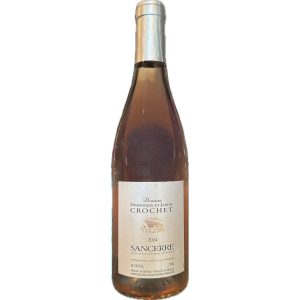
A non-easy white wine that’s designed instead for sophisticated sipping, Les Fleurs du Lac Bordeaux Blanc 2023 ($25.99) has a profile of grapefruit, citrus, yuzu, botanicals and intense florals with lively energy and a long, fresh finish. Another similar seemingly “feminine” wine is Domaine Dominique et Janine Crochet Sancerre Rosé 2024 ($28.99). But you’ll find it’s decidedly not a “girly wine,” since it’s loaded with the gun-flint complexity of silex soils, with the nose of lavender, spiced cranberry, rhubarb and crisp minerality we expect in a top Sancerre.
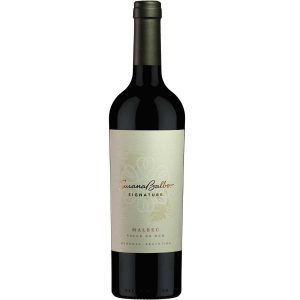 In contrast to white wines, reds have been associated with power and structure and have long been labeled as “unfeminine.” But Susana Balbo Signature Malbec Uco Valley 2021 ($24.99) proves otherwise. Argentina’s first female enology graduate crafted a malbec that’s dry, structured and intensely ruby-hued, with aromas of blueberry and notes of blackberry, flowers and licorice. Intense but elegant, it has a polished finish and round tannins, appealing to many fans.
It’s not as easy as red and white.
When Women Owned Fermentation
 Did you know that fermented drinks like mead and beer grew out of women’s roles as gatherers and food processors? While men hunted, our foremothers gathered honey, grains and fruits, developing the foundational knowledge needed to harness fermentation.
Brewing required the same domestic skills as baking and cooking — grinding grains, tending a hearth — making it a core household task managed by women. This work was so culturally significant that many early brewing deities, including Sumerian goddess Ninkasi and the Egyptian goddess Hathor, were female. In short, women were the original master brewers and custodians of these sacred, nutrient-rich beverages.
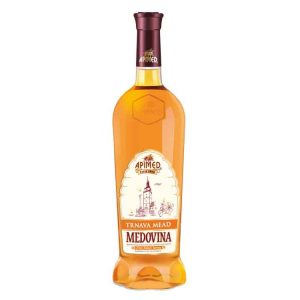
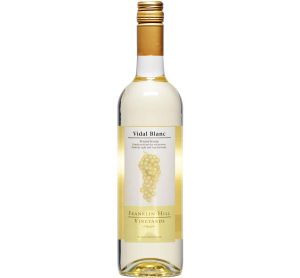 That legacy lives on in discrete niches. For example, in Apimed Trnava Mead Dolna Krupa ($29.99), produced by Slovakia’s largest family-owned meadery. Full-bodied, herbaceous and spicy, it pairs with cheese, chocolate, foie gras or fruit desserts. Closer to home is another example. Franklin Hill Vineyards Vidal Blanc ($12.99) reflects Pennsylvania’s agricultural roots. Produced by a woman-owned winery, its bright, crisp profile with subtle honeyed notes echoes the earliest fruit-based fermenting traditions.
Power, Profit and the Witch Narrative
 And there’s more history. Women’s authority over fermentation persisted until the rise of medieval trade guilds. As brewing became profitable, access shifted to licensed, male-dominated professions. Female brewers, known as alewives, were pushed out through regulation and social smear campaigns.
The tools of their trade were weaponized into symbols of suspicion. Tall hats worn for visibility in the markets became witch’s hats. Cauldrons became vessels of black magic. The broomstick, held aloft to signal fresh ale was for sale in a time when few could read, was reimagined as an instrument of flight. And the cat that protected grain from vermin became a demonic familiar. This narrative justified restrictive laws that erased women’s role in brewing and defined the modern image of a “witch.”
 Today, that legacy is being reclaimed. Uncle Nearest Premium 1856 Tennessee Whiskey ($59.99), developed by CEO Fawn Weaver and Master Blender Victoria Eady Butler, the first Black female master blender, honors overlooked expertise with a whiskey of depth, balance and refinement.
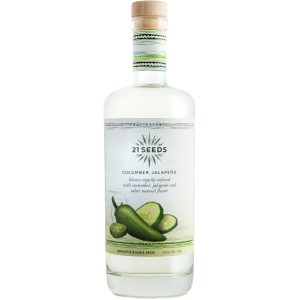
And 21 Seeds, a company founded by sisters Kat Hantas and Nicole Hantas-Emanuel, produces 21 Seeds Cucumber Jalapeño Tequila Blanco ($32.99), which continues the ancient tradition of women flavoring ferments with gathered botanicals, delivering a fresh, modern profile.
Exile from Authority — and from the Glass
 The exclusion of women from fermentation extended beyond guilds. By the 18th and 19th centuries, marginalization was codified through “access laws” that, under the guise of protecting moral purity, barred women from working in or even patronizing bars. Strong spirits were branded as “masculine,” and women were relegated to low-alcohol, syrupy drinks (“girly drinks”), a double standard that persisted well into the modern era.
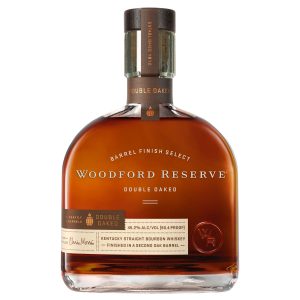
 Crafted under the leadership of Master Distiller Elizabeth McCall, Woodford Reserve Straight Bourbon Double Oaked ($67.99) quietly dismantles that double standard. With deep chocolate and toasted oak notes, this premium bourbon proves that complexity and strength were never gendered.
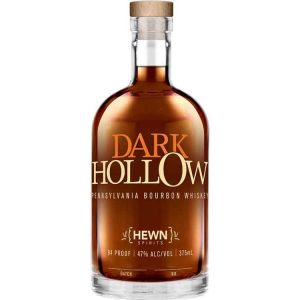
Local distilling tells the same story. Hewn Spirits Dark Hollow Bourbon ($46.79), handcrafted by Dana Weddell in Bucks County, showcases heirloom corn and careful craftsmanship, resulting in a smooth but layered expression of a classic American spirit.
The Palate Was Never the Problem
 For centuries, fermented beverages were safer to consume than local water, making alcohol a shared household necessity rather than a luxury. Only later did consumption become moralized and gendered. By the Victorian era, women were cast as guardians of purity, while men claimed public drinking as a right. It wasn’t until the 1960s and 1970s that anti-discrimination laws dismantled many of those barriers. Biology never changed — permission did.
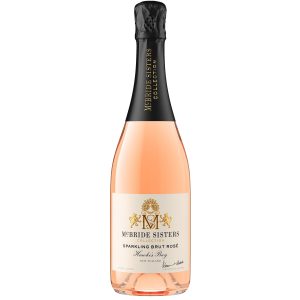
Learning happens by tasting broadly, so here’s another reason to sample widely. Why not begin with McBride Sisters Sparkling Brut Rosé Hawk’s Bay Nonvintage ($7.99)? It’s a sophisticated New Zealand sparkler featuring gentle notes of rose petals and crushed red berries with a crisp, dry finish, reflecting the McBride Sisters’ mission to dismantle elitist “gatekeeping” and invite confidence through experience. Lesson learned!
Empowered Choice
Reclaiming fermentation history is about more than what’s in the glass. It’s about trusting your own palate and honoring the women who shaped this craft from the beginning. Choose what you love, explore broadly and — always — please drink responsibly!
 Liz Tarditi, WSET II, is an entrepreneur and classically trained chef with 35 years’ of culinary experience. She graduated from Villanova University and the Culinary Arts program at the Art Institute of Seattle. Liz has worked for Fine Wine & Good Spirits for several years, becoming a Wine Specialist in 2020. She enjoys pairing wine and food for special events and celebrations. See her at the Villanova Fine Wine & Good Spirits location.