
Brandywine Table: Culinary Revolutionaries
Taste some history at the Mill at Anselma
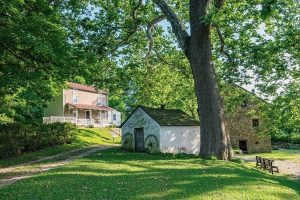
An army marches on its stomach, the old adage goes, and during the Revolutionary War, the survival of the American cause depended on the skilled hands that fed it. In this month’s Brandywine Table, we journey back to Valley Forge, where George Washington’s troops endured one of the darkest winters in American history, and we meet Hannah Till, a pastry cook whose remarkable story became intertwined with the American Revolution.
But Till was not alone. Millers helped by transforming local grain into flour and meal. Bakers tended beehive ovens capable of producing 10,000 to 12,000 loaves of bread per day, while cooks stretched limited provisions into nourishing meals.
Oneida woman Polly Cooper helped save the starving Continental Army by introducing them to white corn and teaching soldiers the ancient Indigenous technique of nixtamalization — an ash-soaking process necessary to make the hard kernels digestible and unlock their nutritional value. Refusing any monetary payment for her aid, Cooper accepted only a black wool shawl from Martha Washington, a legendary token of gratitude still treasured by the Oneida Nation as a symbol of alliance. Together, these ordinary people helped sustain a revolution.
The recipes that follow tell their story through food. Cornbread and hoecakes honor the corn that nourished soldiers and settlers alike. Officer’s Table Chicken Pies reflect the more refined meals prepared for Washington, Lafayette and the army’s leadership.
Hannah Till’s Ginger Buttons celebrate the talented pastry cook who served at Valley Forge and later purchased her freedom. During the encampment, she and her husband Isaac welcomed a son, Isaac Worley Till. Her friendship with Lafayette endured long after the war, and when he returned to Philadelphia nearly 50 years later, he sought out “Aunt Hannah” and reportedly paid off her mortgage.
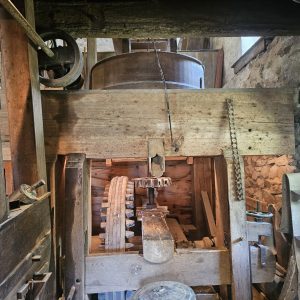 The grains themselves tell a story. Cornmeal sustained the rank and file, while fine pastry flour represented the height of colonial milling technology. The same grain that fed hungry soldiers could also appear on an officer’s table as delicate cakes and pastries. At the Mill at Anselma in Chester Springs, visitors can still purchase dark-roasted cornmeal and stoneground pastry flour produced using traditional methods. These ingredients offer a direct connection to the agricultural traditions that helped feed both the Brandywine Valley and the American cause.
Nearly three centuries later, a new generation of culinary revolutionaries keeps those traditions alive. Anselma’s volunteers preserve the skills of water-powered milling while connecting visitors to local agriculture, history and exceptional food. As America approaches its 250th anniversary, these recipes offer more than a taste of history. They remind us that behind every great cause are ordinary people whose knowledge, labor and generosity help carry it forward.