
Brandywine Stories: Hearth to Hearth
Colonial cooking in Chester County
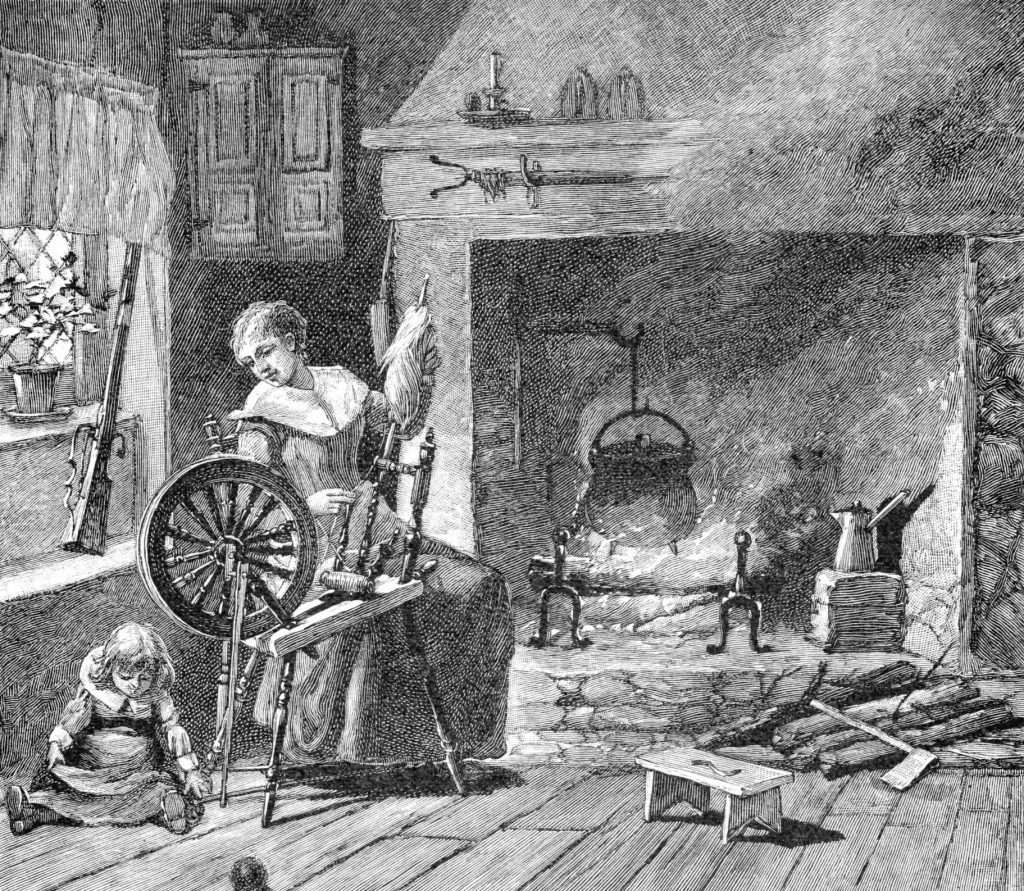
If you’d stepped into a Chester County kitchen 250 years ago, the first thing you’d notice wouldn’t be the food — it would be the sound. Iron hooks creaking under the weight of kettles. Logs crackling as the cook judged the heat by instinct. Wooden spoons tapping against earthen bowls. The hearth wasn’t simply where dinner happened — it was where the day unfolded.
In 2026, as the 250th celebration of the signing of the Declaration of Independence approaches, that colonial rhythm of fire and handwork echoes again across the region. From restored taverns to living-history kitchens, cooks and interpreters demonstrate how ordinary meals shaped extraordinary times. Their work reminds us that revolutions were sustained not only by courage, but also by what was on the table.
Food History
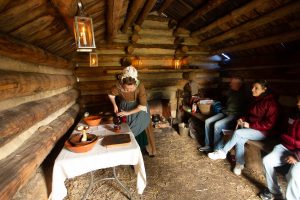
Modern diners chasing “farm-to-table” freshness might be surprised to learn colonial cooks invented it centuries ago. They wasted little, ate what was harvested and preserved abundance by pickling, drying, smoking and salting as a hedge against lean months. Their kitchens were laboratories of resilience, while their tables were social centers where news, jokes and politics mixed as freely as ale.
Few people know the hearth more intimately than Susan McLellan Plaisted, proprietress of Hearth to Hearth Cookery in Bucks County. A food historian, interpreter and educator, Plaisted has spent decades studying and demonstrating cooking traditions from the 17th through 19th centuries. Her programs, taught at historic sites across the Mid-Atlantic, range from cheesemaking and chocolate to shipboard rations and Lenape foodways.
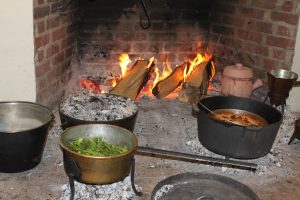
Plaisted traces her passion for historic cookery to her New England childhood. “My interest in food history began in Maine with a father who had a goal of visiting all the United States presidents’ homes and a nana in South Windham, Maine who taught me essentially all my housewifery skills prior to the age of 10,” she said. “So my father’s love of history, interest in the cooking hearths at 18th-century homes, and my early teaching and interest in my nana’s use of produce from the garden, preservation and cooking is what started my journey into food history.”
Through her hearth cooking demonstrations at Pottsgrove Manor and other sites throughout the region, Plaisted now shares that journey with audiences of all ages, reminding them that early American kitchens were places of chemistry, endurance and community. Her work helps connect the past to the curiosity of the present.
Traditions Continue
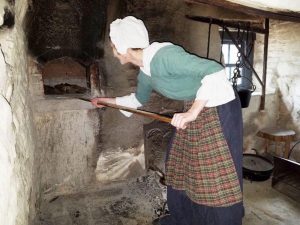
In Chadds Ford, hearth cookery is demonstrated as the art of using fire as both stove and teacher. Volunteers at the John Chads House coax loaves from a beehive oven, the same design that once perfumed village air with yeast and hardwood smoke.
At Black Powder Tavern in Wayne, the line between history and hospitality blurs deliciously. In partnership with the Paoli Battlefield Preservation Fund, the restaurant’s third-Tuesday Historical Dinner Series turns an evening meal into an edible lecture. Guests fill plates with roasted salmon, Madeira chicken, potato cakes and root vegetables before hearing local historians unravel tales of the War of Independence.
“It’s food that connects you to place,” said General Manager Bernie Bottmeyer. “When people sit down to dishes that echo what might have been eaten here 250 years ago, they start to picture life in real detail: who grew the food, who cooked it and who sat around the table.”
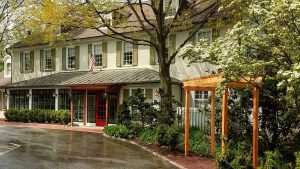
The General Warren in Malvern still channels a convivial spirit. Long before it poured wine by the glass, the tavern (then the Admiral Vernon Inn) poured courage and camaraderie along with 18th-century libations. Its candlelight and paneled walls recall an era when strangers became allies over cider and stew, proof that history’s strongest bonds were often forged around food.
As the nation prepares to mark America250, Chester County’s kitchens offer a quiet commemoration. While battles will always claim the headlines, it was meals that sustained the Revolution — the quiet labor of cooks who fed soldiers, neighbors and families through scarcity and fear. Every loaf pulled from a beehive oven, every stew thickened over embers, was an act of endurance and belonging. In their firelight, independence wasn’t an idea — it was something you could smell, taste and share.
As Chester County looks toward the semiquincentennial, the invitation is simple: come hungry. Step into a kitchen still alive with the scent of woodsmoke and baked bread. Listen for the echo of spoons on pewter and laughter around the fire. These hearths feed both memory and imagination.
Where to Taste the Past Today
Hungry for history? These kitchens keep the fire burning. With these colonial foodways, the stories of 1776 still live where the fires burn low and supper is shared. Experience them at:
- Black Powder Tavern (Wayne): Revolutionary dinner series on third Tuesdays through 2026.
- Pottsgrove Manor (Pottstown): Bake-oven demos and 18th-century cookery.
- Historic Sugartown (Malvern): Hands-on hearth workshops and domestic-arts programs.
- John Chads House (Chadds Ford): Beehive-oven bread and living-history days.
- Goschenhoppen Historians (East Greenville): Summer Folk Festival of Pennsylvania German foodways.
- The General Warren (Malvern): Traditional food with occasional historic programs.
- Pennsbury Manor (Morrisville, Bucks County): Kitchen demos on third Sundays by Hearth to Hearth Cookery.
 Kim Andrews is an A250 Friends Outreach Officer of the Community Foundation and nonprofit consultant. She wrote this article to raise awareness of Chester County’s role in our nation’s fight for freedom and build engagement for 2026, the 250th anniversary of the Declaration of Independence. To get involved, contact America 250 Friends at the Chester County Community Foundation, A250Friends.org.